

Pillar #4: Turn advocacy into real change
For years, our union has invested significant time and energy into advocacy. We have met with elected officials, appeared before parliamentary committees, participated in consultations, and made thoughtful, evidence-based arguments about the needs of our members.
That work matters.
But if recent years have taught us anything, it is that good arguments and common sense alone are not enough.
Across Canada, governments continue to change the rules affecting workers and unions. Collective bargaining rights are under attack, and Section 107 of the Canada Labour Code has been invoked 10 times in the last three years to intervene in labour disputes. Here in Alberta, the notwithstanding clause was used to force striking teachers back to work. That is unacceptable.
Public services face cuts and privatization. Labour laws are rewritten. Yet workers are expected to simply adapt and continue playing by rules that governments keep changing whenever it suits them. It is time for our movement to build the political power necessary not just to respond to these attacks, but to stop them.
That does not mean abandoning political relationships. Building connections with MLAs, MPs, municipal leaders, and community partners remains essential. We need elected officials who understand our workplaces, our members, and the public services we provide. We need to be at decision-making tables whenever possible.
Throughout my union activism, I have seen firsthand that progress often comes when workers move beyond meetings and into action. Whether it is organizing rallies, mobilizing members, building coalitions, engaging the media, or supporting broader community campaigns, change happens when decision-makers understand that workers are paying attention and are prepared to act together.
That is why I believe we need to move beyond advocacy and start rebuilding worker power.

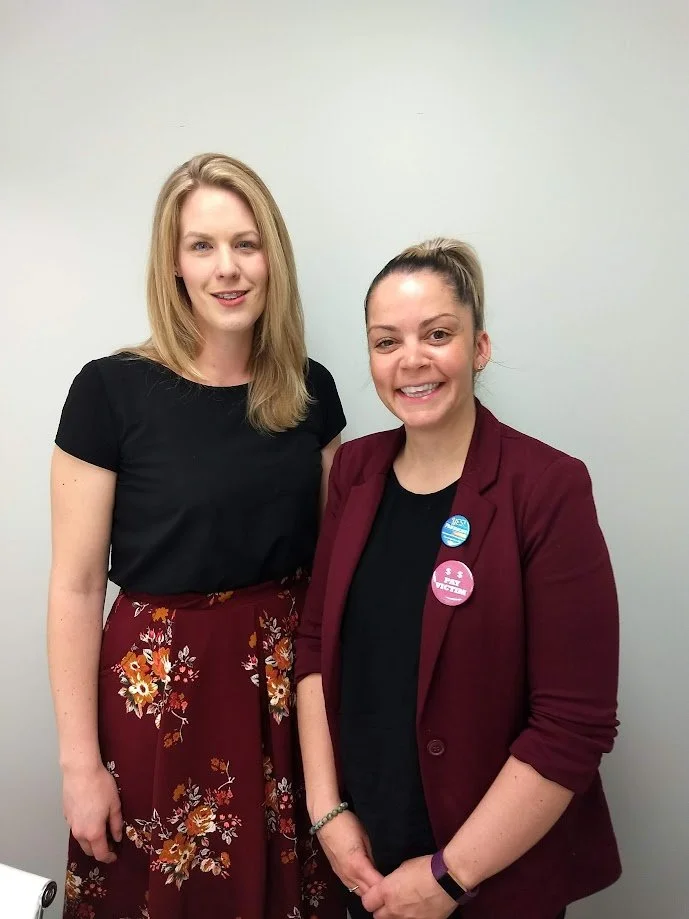
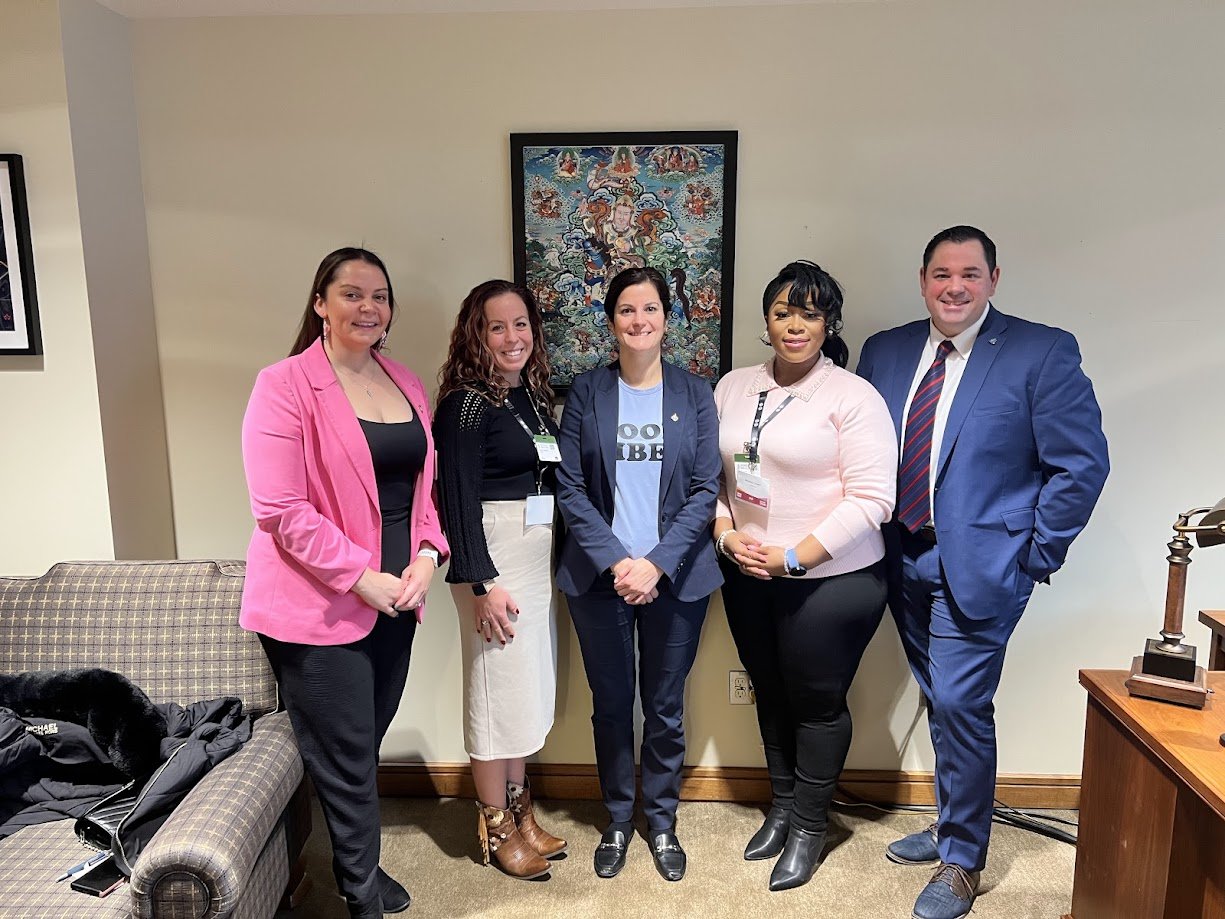
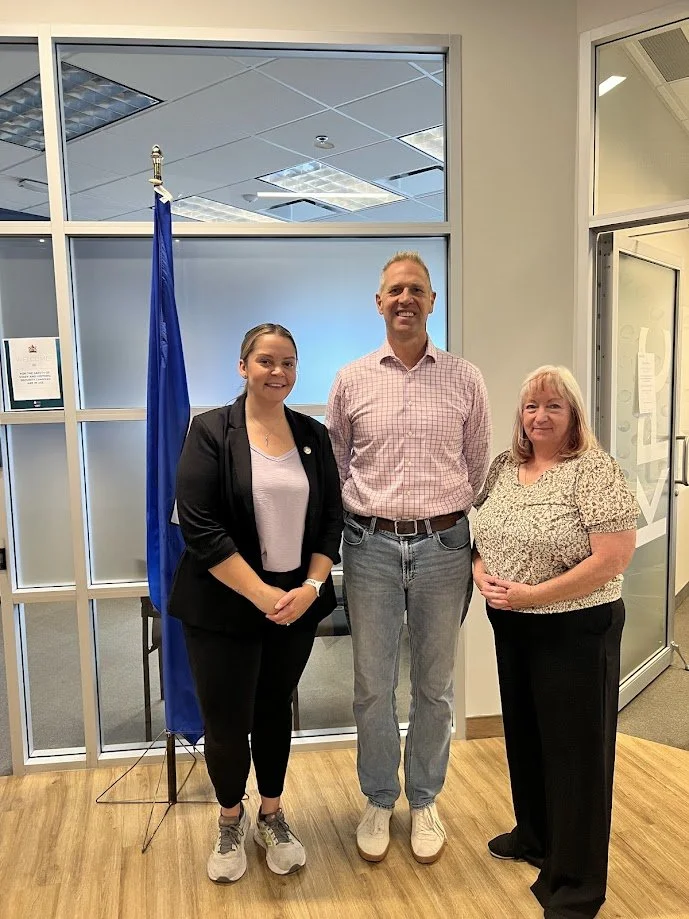
Lobbying has its place. Relationships matter. But when governments repeatedly ignore workers, rewrite labour laws, and intervene in collective bargaining, we cannot rely on meetings, petitions, and letters alone.
We need to strengthen our capacity for strategic action. That means building deeper partnerships with other unions, labour councils, and community organizations. It means organizing visible actions that put pressure on decision-makers. It means supporting workers who are prepared to stand together and use the power that has always been at the heart of the labour movement: solidarity.
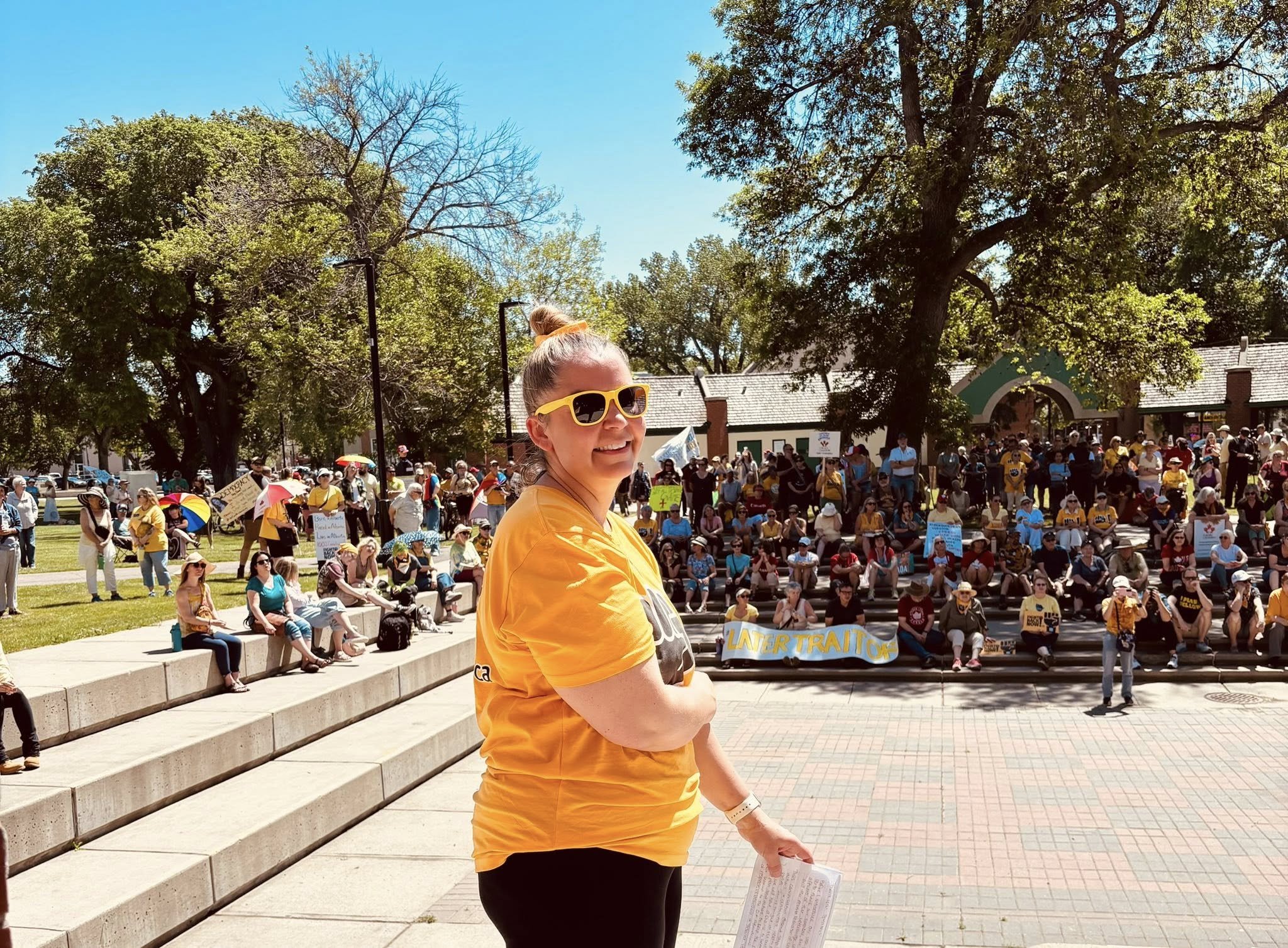
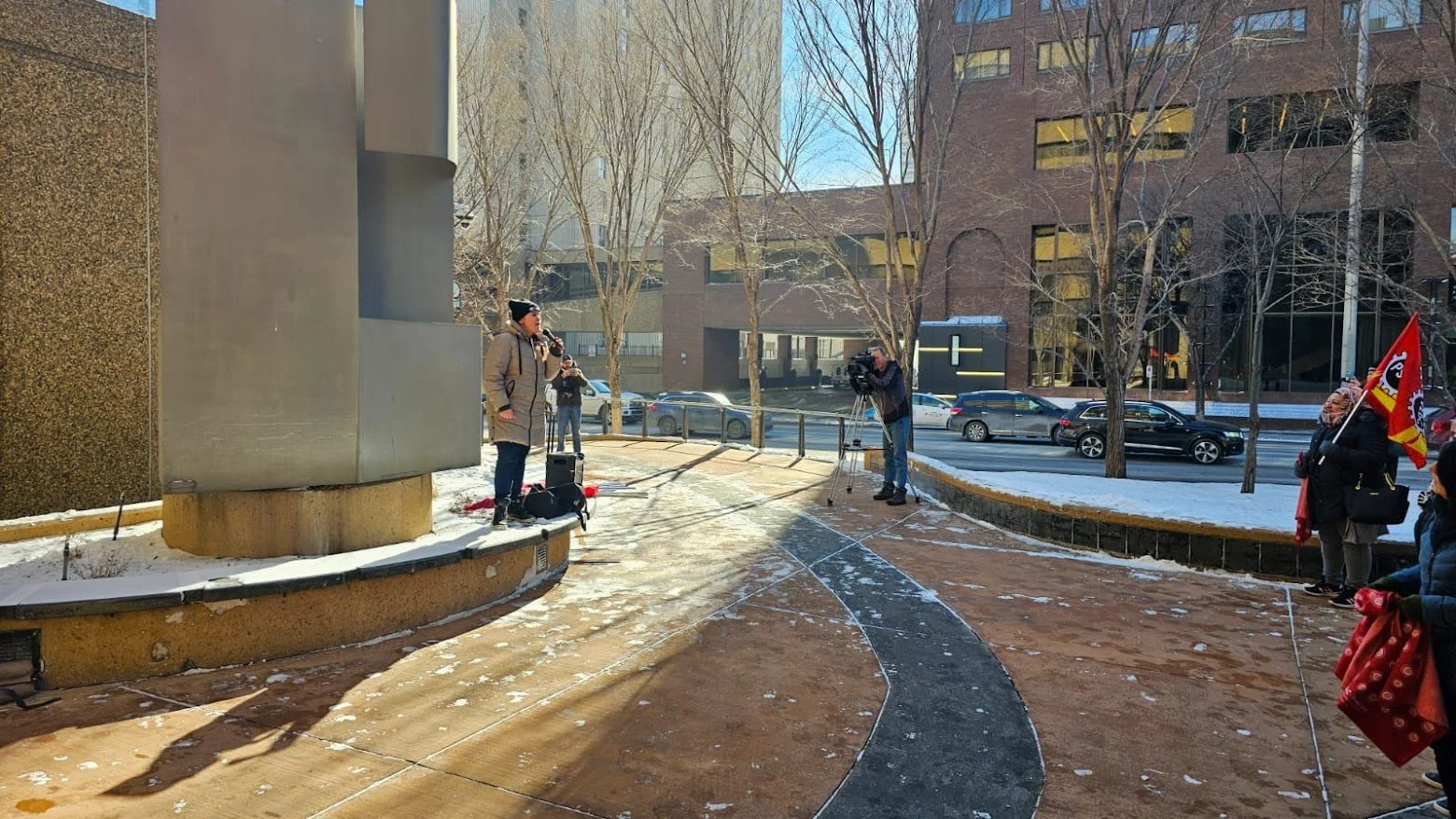
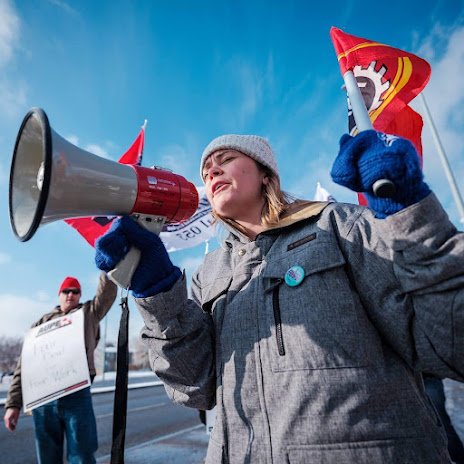
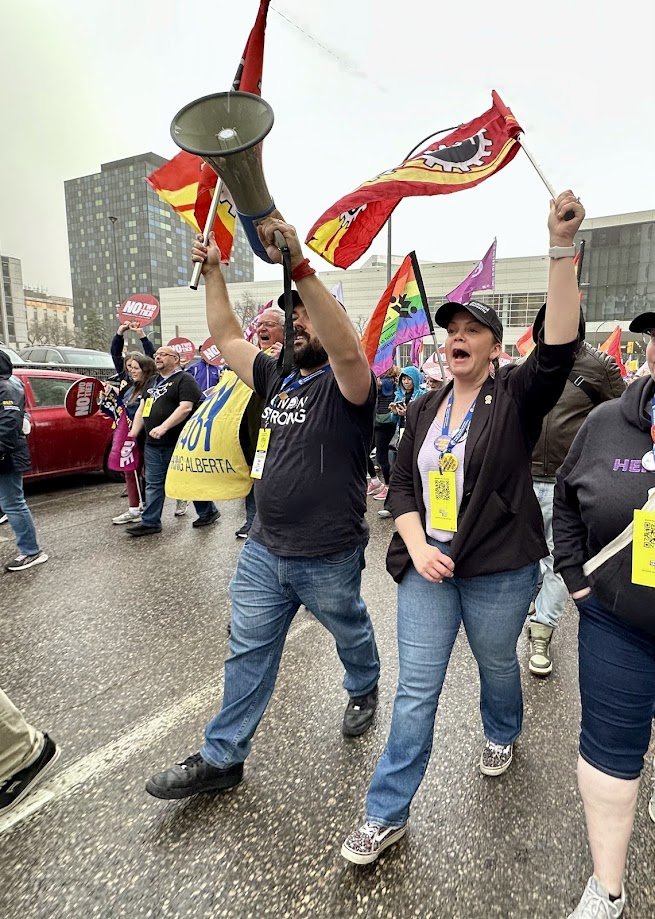
The goal is not disruption for disruption's sake. The goal is to build enough collective power that governments and employers cannot ignore us.
Real change has never come because workers were invited to the table. It came because workers organized together and demanded it.
As REVP, I will work to strengthen our region's capacity to organize, mobilize, and act. Because workers deserve more than a voice in the conversation.
They deserve the power to shape the outcome.
